


The message queue showed forty-seven pending transmissions when the power grid failed.
Mateo Ruiz watched the main display flicker, dim, then snap back to emergency lighting. Red strips along the floor cast the relay station’s control room in harsh angles. Backup systems kicked in with a whine that climbed through the frequencies before settling into a steady hum.
Forty-seven messages. Medical supply requests, casualty reports, convoy coordinates, personal messages from scattered families still trying to find each other eight years after everything fell apart.
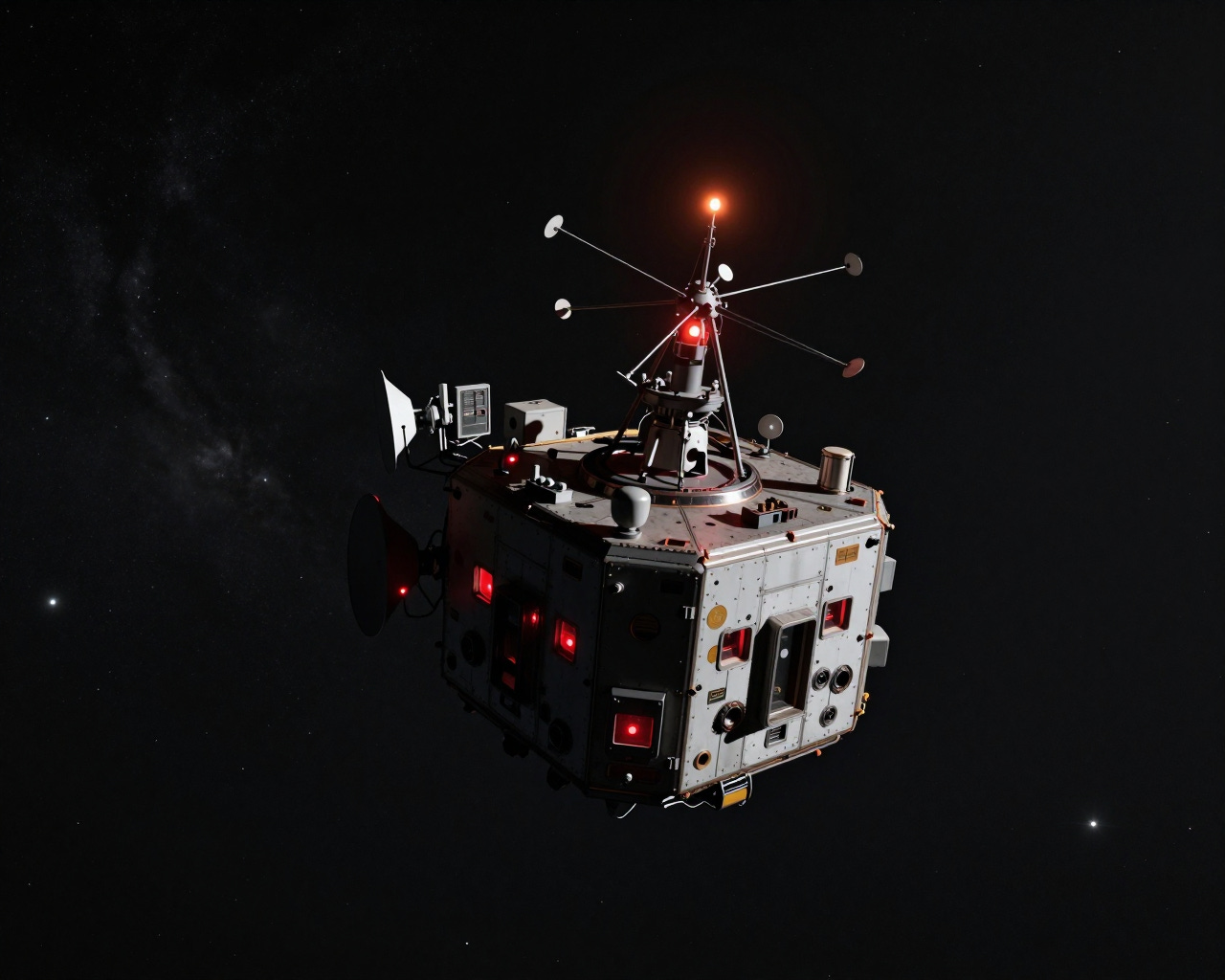
The backup generator would run for six hours. Maybe eight if he kept the load minimal. The replacement fuel cells were three days out on a supply run that might not arrive at all.
Mateo pulled up the power allocation console. Station life support sat at the top of the priority list, locked by protocol. Communications array came second. Navigation beacon third. Everything else fell to the bottom, negotiable.
He could route enough power to send maybe fifteen messages before the generator tapped out. Fifteen out of forty-seven. The math was simple. The choice was not.
The comm panel chirped. Mateo keyed the channel. “Relay Station Four, Ruiz speaking.”
“Mateo, this is Haven Station. We’ve got your distress ping. What happened?”
Lila Hawkins. Station operations coordinator, former UEN logistics officer, voice of calm efficiency even when the galaxy burned.
“Main power grid failed,” Mateo said. “Running on backup. I’ve got forty-seven messages in the queue and enough juice to push maybe fifteen before the generator dies.”
Silence on the other end. Lila knew what that meant. Everyone in the relay network knew. Messages got prioritized. Some went through. Some waited. Some got lost when stations went dark permanently.
“Can you get the main grid back online?” Lila asked.
Mateo pulled up the diagnostic readout. The primary reactor sat cold, containment fields collapsed, fuel rods locked in emergency shutdown. A full restart needed technician clearance he did not have, parts he did not possess, and time he could not spare.
“Negative. This is a hard failure. Reactor needs a full rebuild.”
“Copy that.” Lila’s voice stayed level, professional. “Prioritize medical traffic. UEN Command directive seven. Everything else queues.”
Directive seven. Medical and military first, civilian messages last. Protocol made sense when humanity had infrastructure, logistics networks, organized supply chains. Now it just meant families stopped hearing from each other because the regulations said so.
Mateo looked at the message queue. Twenty-three medical requests. Twelve military dispatches. Twelve civilian messages, most of them personal. Status updates. Location checks. The two-word phrases that meant someone out there still remembered you existed.
Still here.
He sorted by timestamp. The oldest message dated back eleven days. A location update from the belt colonies, tagged for relay to Armstrong City. Personal traffic. Low priority.
The newest message had arrived six minutes ago. Medical supply request from Frontier Station. Critical pharmaceutical shipment coordinates for a convoy already burning thrust toward the outer system.
Protocol said medical first. Directive seven was clear.
Mateo’s finger hovered over the transmission queue.
He opened the oldest message. Text only, thirty-two bytes. “Location confirmed. Transferring to New Casablanca. Address follows. Miss you. Dad.”
Thirty-two bytes. The generator could push a thousand messages that size before running dry.
The medical request was larger. Coordinate data, manifest lists, authentication headers. Four kilobytes of critical information that could save lives if it reached the convoy in time.
Mateo closed the message and pulled up the power allocation chart. Communications array drew 8.2 kilowatts during active transmission. The generator could sustain that load for maybe twenty transmissions before voltage dropped below operational threshold.
Twenty messages. Not fifteen. Not if he cut life support to minimum, killed the navigation beacon, shut down everything except core systems.
The relay station would go dark. Ships transiting nearby would lose their position reference. The risk of collision, navigation errors, or missed rendezvous climbed with every minute the beacon stayed offline.
Protocol said life support first. Regulations mandated beacon operation during all normal conditions.
Mateo looked at the message queue. Forty-seven voices trying to reach someone. Forty-seven threads in the fragile web holding humanity together.
He typed a command into the power allocation console.
Life support: Minimum. Beacon: Offline. Communications: Priority.
The environmental system dropped to emergency mode. Temperature would fall. Air circulation would slow. Mateo could feel the change already, the station exhaling heat into vacuum, holding just enough warmth to keep him functional.
He sorted the message queue by size. Smallest first.
Thirty-two bytes. Twenty-eight bytes. Nineteen bytes. The personal messages, stripped down to bare essentials because bandwidth was expensive and every character cost.
Mateo queued them for transmission. Twelve civilian messages, total payload under four hundred bytes. The array could push that in seconds.
He hit send.
The relay station shuddered as the communications array spun up to full power. Transmission status climbed from zero to one hundred percent in eighteen seconds.
Twelve messages sent. Thirty-five remaining.
Medical traffic next. Mateo sorted by urgency tags. The convoy coordinates topped the list, flagged critical, time-sensitive. He queued the transmission.
Four kilobytes. Twelve seconds of array time. The generator voltage dropped half a percent.
Twenty-three medical messages. Twelve military dispatches. Mateo worked through them in order, watching the power gauge fall with each transmission. The backup generator labored under the load, temperature climbing, efficiency dropping.
He hit thirty messages when the low power warning triggered. Voltage dropping below optimal range. Transmission quality would degrade. Error rates would climb. Messages might corrupt in transit, forcing retransmission, burning watts he did not have.
Seventeen messages left.
Mateo recalculated. If he pulled every spare watt from non-essential systems, killed the backup lighting, shut down environmental sensors, he could push maybe ten more transmissions before the generator hit critical levels.
Ten out of seventeen.
He opened the remaining messages, scanning for priority flags. Three medical requests, low urgency. Four military dispatches, routine status updates. Ten civilian messages, all personal traffic.
Seven messages would not go through. Seven voices would wait in the dark, hoping someone heard them.
Protocol said medical and military first.
Mateo looked at the civilian messages. Location updates. Family status checks. The small confirmations that meant someone out there still existed.
He queued them all for transmission.
The array fired. Power dropped. Voltage fell into the red zone. Error correction protocols engaged, burning extra time, extra watts, forcing the generator to strain.
Fifteen seconds. Twenty. Thirty.
The last message went through at forty-two seconds. Transmission confirmed. Queue empty.
The generator voltage bottomed out at seventy-eight percent. Below operational threshold. Below safe margins. Deep in the range where equipment failures cascaded into catastrophic breakdowns.
Mateo shut down the communications array. The station went quiet. No hum from the transmitters. No pulse from the beacon. Just the faint whir of life support cycling stale air through cold filters.
The comm panel chirped. Lila’s voice came through, tight with concern. “Relay Four, Haven Station. We show your beacon offline. Confirm status.”
“Beacon is down,” Mateo said. “Generator is critical. I pushed all traffic. Queue is clear.”
Silence stretched across the channel. Mateo imagined Lila staring at her console, running the same math he had, seeing the same impossible choices.
“Copy that, Relay Four.” Her voice carried something that might have been approval. “Supply convoy is three days out. Can you hold?”
Mateo looked at the environmental readout. Temperature dropping toward minimum safe range. Generator voltage holding at seventy-eight percent. Life support cycling at twenty percent capacity.
Three days. Seventy-two hours alone in a dying station, waiting for a convoy that might not arrive.
“Affirmative,” Mateo said. “I can hold.”
“Good. Haven out.”
The channel closed. Mateo sealed the environmental suit hanging in the locker next to his console. The temperature would drop below comfortable in a few hours. Below safe in a day. The suit would keep him alive.
Three days.
He pulled up the transmission log and scanned through the confirmation receipts. Forty-seven messages sent. Forty-seven connections maintained. Somewhere in the scattered colonies, someone would get word that their family was still alive, still moving, still fighting.
Directive seven was clear. Medical and military first. Regulations made sense when humanity had margins for error.
They had no margins now. Just people, separated by void and silence, holding on to whatever threads remained.
Mateo closed the log and pulled the environmental suit from its locker. The relay station cooled around him, bleeding heat into vacuum, going quiet.
Three days until the convoy arrived.
He could hold.
Author’s Note: This story takes place in Year 8 (2133), during the Survival Era. Relay stations formed the backbone of humanity’s scattered communication network, maintained by small crews or solo operators in isolated positions throughout colonized space. When power, supplies, or equipment failed, relay operators faced impossible choices: follow protocol and prioritize official traffic, or maintain the personal connections that held traumatized communities together. Mateo Ruiz represents the thousands of technicians who kept the network alive through improvisation, sacrifice, and quiet defiance of regulations written for a civilization that no longer existed.
If you enjoyed this story, you can follow the main story arc in The Exodus Rush, the first book in The Vethrak Requiem series.